Rudraksha vs Other Spiritual Beads: What Makes It Unique
Learn what sets Rudraksha apart from tulsi, sandalwood, and other meditation beads.

Origin and Material
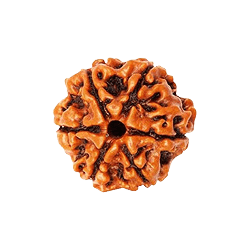
Rudraksha comes from the Elaeocarpus ganitrus tree, primarily found in the Himalayan foothills, Nepal, and parts of Southeast Asia. Unlike wooden or stone beads, Rudraksha is a seed with a hard, textured shell and natural facets (mukhis).
Comparison at a Glance
- Tulsi (Holy Basil): Lighter, often used for Vishnu-related mantras; good for daily wear but less durable than Rudraksha.
- Sandalwood: Fragrant and cooling; popular for japa but can wear down over time.
- Rudraksha: Durable, associated with Lord Shiva, and believed to have unique electromagnetic properties. Can last generations with care.
Why Choose Rudraksha?
Rudraksha is favored for its durability, spiritual significance in Shaivism, and the variety of mukhis that allow practitioners to choose beads aligned with their intentions—whether for peace, wealth, protection, or deeper meditation.